

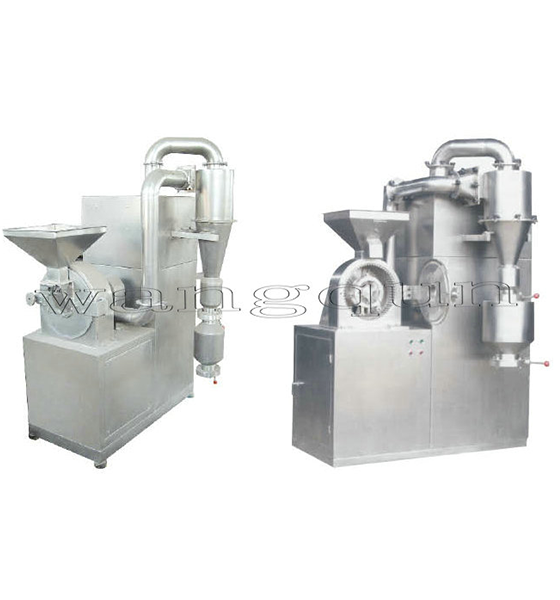
Beginner’s Guide to Troubleshooting Disinfection tablet presses
Industry Background and Market Demand
Disinfection tablets are essential in healthcare, water treatment, and food processing industries, offering a convenient and controlled-release method for sanitization. The global demand for these tablets has surged due to heightened hygiene awareness post-pandemic, regulatory compliance requirements, and the need for cost-effective disinfection solutions.
Tablet presses used in manufacturing disinfection tablets must meet stringent quality standards to ensure consistent dosing, dissolution rates, and chemical stability. However, equipment malfunctions can lead to production delays, material waste, and non-compliant products. This guide outlines key troubleshooting steps for beginners in the field, focusing on mechanical, operational, and material-related challenges.
Core Concepts and Key Technologies
Disinfection tablet presses operate on the principle of compression molding, where powdered or granulated ingredients are compacted under high pressure into uniform tablets. The process involves:
- Feeding System: Ensures consistent material flow into the die cavity.
- Compression Mechanism: Applies controlled force via upper and lower punches.
- Ejection System: Removes the formed tablet without damage.
Critical technologies include:
- Force Control Systems: Maintain consistent compression to avoid tablet defects.
- Tooling Design: Precision-engineered punches and dies influence tablet shape and hardness.
- Automated Monitoring: Sensors detect variations in weight, thickness, or pressure.
Product Structure, Performance, and Materials
A tablet press consists of several components:
1. Hopper: Holds raw material before feeding.
2. Feeder Frame: Distributes material evenly into dies.
3. Punches and Dies: Determine tablet size and shape.
4. Compression Rollers: Apply force to form tablets.
5. Ejection Cam: Facilitates tablet removal.
Performance depends on:
- Material Compatibility: Some disinfectants (e.g., chlorine-based compounds) are abrasive or corrosive, requiring hardened steel tooling.
- Manufacturing Precision: Tight tolerances prevent sticking, capping, or uneven compression.
Key Factors Affecting Quality and Performance
Several variables influence tablet quality:
1. Material Properties
- Particle Size: Fine powders may cause poor flow, while coarse granules lead to uneven compression.
- Moisture Content: Excess moisture causes sticking; insufficient moisture leads to brittle tablets.
2. Machine Settings
- Compression Force: Too high causes lamination; too low results in weak tablets.
- Turret Speed: Excessive speed leads to air entrapment or weight variation.
3. Tooling Wear
- Worn punches or dies cause chipping, capping, or inconsistent tablet dimensions.
Supplier Selection and Supply Chain Considerations
When sourcing tablet presses or spare parts, consider:
- Certifications: ISO 9001 or GMP compliance ensures reliability.
- Material Durability: Tooling should resist corrosion from disinfectant ingredients.
- Technical Support: Suppliers offering troubleshooting assistance reduce downtime.
Common Issues and Industry Pain Points
Operators frequently encounter:
1. Sticking or Picking
- Cause: Improper lubrication, excessive moisture, or rough tooling.
- Solution: Use anti-adherent coatings, adjust humidity, or polish dies.
2. Capping (Tablet Layers Separating)
- Cause: Insufficient dwell time or air entrapment.
- Solution: Optimize compression speed or pre-compression settings.
3. Weight Variation
- Cause: Uneven feeding or inconsistent granule density.
- Solution: Calibrate the feeder or improve material blending.
Application Scenarios and Case Studies
- Water Treatment Plants: Chlorine-based tablets must dissolve at controlled rates to prevent overdosing.
- Hospital Sanitization: Effervescent tablets require precise hardness to avoid crumbling during transport.
A case study from a European manufacturer showed that switching to tungsten carbide tooling reduced wear by 40% when pressing abrasive disinfectant formulations.
Current Trends and Future Developments
1. Smart Presses: IoT-enabled machines predict maintenance needs via real-time data.
2. Sustainable Materials: Biodegradable binders are being tested for eco-friendly disinfection tablets.
3. Hybrid Designs: Rotary presses with single-station capabilities improve flexibility for small batches.
FAQ
Q: How often should tooling be inspected?
A: Weekly checks are recommended for high-volume production; low-volume operations may extend to monthly.
Q: Can a tablet press handle multiple disinfectant formulations?
A: Yes, but thorough cleaning between batches is critical to avoid cross-contamination.
Q: What’s the most common cause of tablet breakage?
A: Insufficient binding agents or incorrect compression force are typical culprits.
By understanding these fundamentals, operators can efficiently troubleshoot disinfection tablet presses, ensuring consistent product quality and operational efficiency.
Copyright © 2025 Changzhou Wangqun Pharmaceutical Machinery Co., Ltd. All Rights Reserved.
SitemapThis website uses cookies to ensure you get the best experience on our website.
 Español
 Pусский
 Français
 العربية



 Phone
Phone
Comment
(0)