

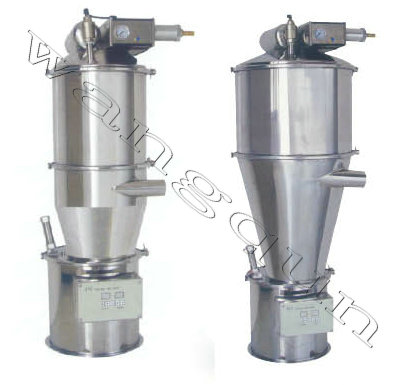
Spotlight on Disinfection tablet press: Features for Corrosive Materials
Industry Background and Market Demand
The global demand for disinfection tablets has surged in recent years, driven by heightened hygiene awareness in healthcare, water treatment, and food processing industries. These tablets, typically composed of chlorine-based compounds, bromine, or other oxidizing agents, require precise manufacturing to ensure efficacy and safety. However, producing them presents a unique challenge: the corrosive nature of active ingredients can degrade standard tablet press equipment, leading to contamination, frequent maintenance, and production downtime.
To address this, specialized disinfection tablet presses have been developed with corrosion-resistant materials and advanced engineering. Manufacturers now prioritize durability, precision, and compliance with stringent regulatory standards, particularly in markets like the EU and North America, where chemical safety and product consistency are critical.
Core Technology: Handling Corrosive Materials
A disinfection tablet press must withstand prolonged exposure to aggressive chemicals without compromising tablet integrity or machine longevity. Key technological considerations include:
- Material Selection: High-grade stainless steel (e.g., 316L) or titanium-coated components resist pitting and oxidation.
- Sealed Mechanisms: Protective seals prevent chemical ingress into hydraulic or mechanical systems.
- Precision Tooling: Hardened punches and dies maintain dimensional accuracy despite abrasive tablet formulations.
These features ensure consistent tablet weight, hardness, and dissolution rates—critical for regulatory approval and end-user safety.
Product Structure and Manufacturing Considerations
1. Machine Architecture
A corrosion-resistant tablet press typically includes:
- Frame and Housing: Reinforced stainless steel or polymer-coated surfaces.
- Compression System: Servo-driven or mechanical systems with minimal exposure points.
- Feeding System: Vibratory or gravity-fed mechanisms designed for powdered or granulated disinfectants.
2. Critical Components
- Punches and Dies: Tungsten carbide or ceramic-coated for extended lifespan.
- Ejection System: Smooth, low-friction operation to prevent tablet breakage.
- Control Panel: Programmable logic controllers (PLCs) for real-time monitoring of compression force and speed.
3. Manufacturing Process
Suppliers employ CNC machining and laser hardening to produce wear-resistant parts. Post-assembly, machines undergo stress testing with corrosive agents to validate performance.
Key Factors Affecting Performance
1. Material Compatibility: Not all stainless steels offer equal resistance; 316L outperforms 304 in chloride-rich environments.
2. Tooling Maintenance: Regular cleaning and lubrication prevent chemical buildup.
3. Environmental Controls: Humidity and temperature fluctuations can accelerate corrosion.
4. Regulatory Compliance: Machines must meet FDA, EU GMP, or NSF standards for hygiene-sensitive applications.
Supplier Selection Criteria
When sourcing a disinfection tablet press, buyers should evaluate:
- Material Certifications: ISO 9001, ASME, or industry-specific validations.
- Customization Options: Adjustable compression forces and tablet sizes.
- After-Sales Support: Availability of spare parts and technical service.
- Case Studies: Proven experience in disinfectant or pharmaceutical production.
Industry Challenges and Common Issues
1. Corrosion-Induced Downtime: Poor material choices lead to frequent part replacements.
2. Tablet Friability: Overly abrasive formulations may crumble if compression settings are misaligned.
3. Regulatory Hurdles: Varying global standards complicate cross-border sales.
4. Cost vs. Durability: Balancing upfront investment with long-term maintenance costs.
Applications and Case Studies
- Water Treatment: Chlorine tablets for municipal water purification.
- Healthcare: Disinfectant tablets for surface sterilization in hospitals.
- Agriculture: Bromine-based tablets for livestock water sanitation.
A European chemical manufacturer reduced downtime by 40% after switching to a titanium-coated press, while a U.S. water treatment provider improved tablet dissolution consistency by optimizing compression force.
Current Trends and Future Outlook
1. Automation Integration: IoT-enabled presses for predictive maintenance.
2. Sustainable Materials: Research into non-metallic composites for corrosion resistance.
3. Modular Designs: Easier retrofitting for evolving formulations.
FAQ
Q: How often should tooling be replaced in a corrosive environment?
A: Depending on usage, punches and dies may require replacement every 6–12 months. Regular inspection is recommended.
Q: Can standard tablet presses handle disinfectant formulations?
A: Only with significant modifications. Dedicated corrosion-resistant models are advised for long-term reliability.
Q: What’s the primary cost driver for these machines?
A: Material quality accounts for ~50% of costs, followed by precision engineering and compliance testing.
Conclusion
The disinfection tablet press market is evolving to meet the demands of corrosive material processing. By prioritizing advanced materials, precision engineering, and regulatory compliance, manufacturers can ensure product consistency while minimizing operational disruptions. Future innovations in automation and material science will further enhance efficiency, making these machines indispensable in hygiene-critical industries.
Copyright © 2025 Changzhou Wangqun Pharmaceutical Machinery Co., Ltd. All Rights Reserved.
SitemapThis website uses cookies to ensure you get the best experience on our website.
 Español
 Pусский
 Français
 العربية



 Phone
Phone
Comment
(0)