

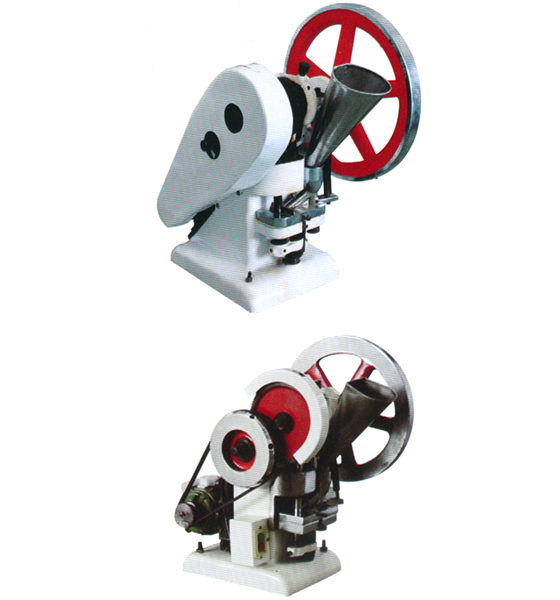
Troubleshooting Tablet Press Hydraulic System Problems: A Technical Guide
Industry Background and Market Demand
The pharmaceutical and nutraceutical industries rely heavily on tablet presses for efficient, high-volume production of solid-dose medications. Hydraulic systems in tablet presses ensure consistent compression force, critical for uniform tablet hardness and weight. With increasing regulatory scrutiny and demand for precision, manufacturers must address hydraulic system failures promptly to minimize downtime and maintain compliance with Good Manufacturing Practices (GMP).
The global tablet press market is projected to grow at a CAGR of 5.2% from 2023 to 2030, driven by rising pharmaceutical production and automation. However, hydraulic system malfunctions remain a persistent challenge, often leading to costly delays. Understanding common issues and troubleshooting methods is essential for maintenance engineers and production managers.
Core Concepts: How Hydraulic Systems Work in Tablet Presses
A tablet press hydraulic system consists of:
- Hydraulic pump – Generates pressure to drive the compression cycle.
- Control valves – Regulate fluid flow and pressure.
- Actuators (hydraulic cylinders) – Convert fluid pressure into mechanical force for tablet compression.
- Reservoir & filters – Store and clean hydraulic fluid to prevent contamination.
The system operates on Pascal’s principle, where pressure applied to an enclosed fluid is transmitted uniformly. Any disruption in pressure or fluid flow can lead to inconsistent tablet compression, affecting product quality.
Key Factors Affecting Hydraulic System Performance
Several factors influence the reliability of a tablet press hydraulic system:
1. Fluid Quality & Contamination
- Particulate contamination accelerates wear in pumps and valves.
- Moisture in hydraulic fluid causes corrosion and reduces viscosity.
2. Seal & Hose Integrity
- Worn seals lead to leaks, reducing system pressure.
- Cracked hoses can cause sudden pressure drops.
3. Pump Efficiency
- Cavitation (air bubbles in fluid) damages pump internals.
- Improper viscosity reduces fluid flow efficiency.
4. Control Valve Malfunctions
- Sticking valves disrupt pressure regulation.
- Electrical failures in solenoid valves halt operations.
5. Thermal Management
- Overheating degrades hydraulic fluid, reducing lubrication.
- Poor cooling leads to thermal expansion and pressure inconsistencies.
Common Hydraulic System Problems & Solutions
1. Low Compression Force
Symptoms:
- Tablets crumble or lack hardness.
- Hydraulic pressure gauge shows fluctuations.
Causes & Fixes:
- Fluid Leakage: Inspect hoses, seals, and connections. Replace damaged components.
- Pump Wear: Check for reduced flow rate. Rebuild or replace the pump if necessary.
- Air in System: Bleed air from hydraulic lines and refill with clean fluid.
2. Overheating
Symptoms:
- System shuts down unexpectedly.
- Fluid appears dark or emits a burnt smell.
Causes & Fixes:
- Insufficient Cooling: Clean heat exchangers and ensure proper ventilation.
- Excessive Load: Verify press settings align with hydraulic system capacity.
- Degraded Fluid: Replace hydraulic fluid and install finer filtration.
3. Erratic Pressure Spikes
Symptoms:
- Tablet weight varies significantly.
- Jerky movement in compression cycle.
Causes & Fixes:
- Contaminated Fluid: Flush system and replace filters.
- Faulty Pressure Relief Valve: Test and recalibrate or replace the valve.
- Electrical Interference: Check solenoid valve wiring for shorts.
Supplier Selection & Maintenance Best Practices
When sourcing hydraulic components, consider:
- Certifications: ISO 9001 or ASME compliance ensures quality.
- Material Durability: High-grade seals and hoses extend service life.
- Technical Support: Suppliers should provide troubleshooting assistance.
Preventive maintenance includes:
- Regular fluid analysis (every 500 operating hours).
- Scheduled replacement of filters and seals.
- Monitoring system pressure logs for anomalies.
Future Trends in Tablet Press Hydraulic Systems
1. Smart Hydraulics – IoT-enabled sensors predict failures via real-time pressure and temperature monitoring.
2. Eco-Friendly Fluids – Biodegradable hydraulic fluids reduce environmental impact.
3. Energy-Efficient Pumps – Variable displacement pumps minimize power consumption.
FAQ: Common Hydraulic System Questions
Q: How often should hydraulic fluid be replaced?
A: Typically every 2,000–3,000 operating hours, but conduct regular viscosity tests to determine optimal intervals.
Q: Can a tablet press operate with a minor hydraulic leak?
A: No—even small leaks lead to pressure loss, risking inconsistent tablet quality.
Q: What’s the most overlooked cause of hydraulic failure?
A: Contamination—80% of failures stem from particulate or moisture ingress.
Conclusion
Effective troubleshooting of tablet press hydraulic systems requires a systematic approach—addressing fluid quality, mechanical wear, and control mechanisms. By implementing preventive maintenance and selecting reliable suppliers, manufacturers can enhance operational efficiency and tablet consistency. As technology evolves, smart diagnostics and sustainable solutions will further optimize hydraulic performance in pharmaceutical production.
(Word count: 1,280)
Copyright © 2025 Changzhou Wangqun Pharmaceutical Machinery Co., Ltd. All Rights Reserved.
SitemapThis website uses cookies to ensure you get the best experience on our website.
 Español
 Pусский
 Français
 العربية



 Phone
Phone
Comment
(0)