

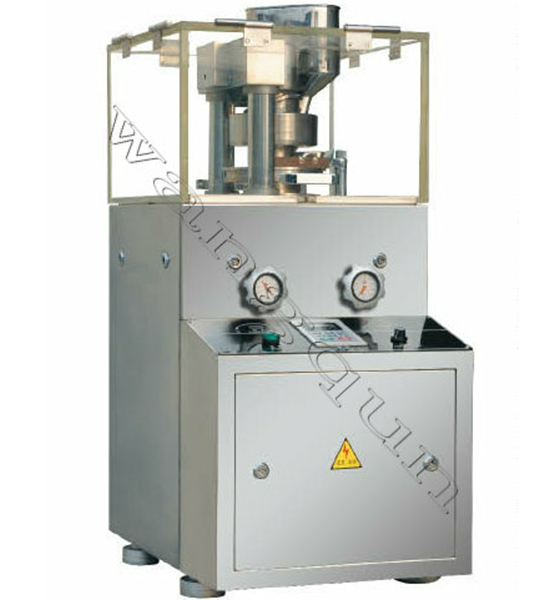
Optimizing rotary tablet press for High-Volume Production
Industry Background and Market Demand
The pharmaceutical and nutraceutical industries rely heavily on high-speed tablet production to meet global demand. With increasing pressure to reduce costs while maintaining stringent quality standards, manufacturers are turning to optimized rotary tablet presses. These machines must balance speed, precision, and reliability to ensure consistent output in high-volume environments.
Market trends indicate a growing preference for continuous manufacturing over batch processing, driven by the need for efficiency and regulatory compliance. Rotary tablet presses, capable of producing thousands of tablets per minute, are central to this shift. However, achieving optimal performance requires careful consideration of design, materials, and operational parameters.
Core Concepts and Key Technologies
A rotary tablet press operates by feeding powder or granules into dies, where upper and lower punches compress the material into tablets. The process involves several critical stages:
1. Feeding System – Ensures uniform material distribution into dies to prevent weight variation.
2. Compression Zone – Where punches apply controlled force to form tablets.
3. Ejection Mechanism – Removes finished tablets without damage.
Key technologies include:
- Precision Tooling – High-grade steel punches and dies minimize wear and ensure consistent tablet dimensions.
- Force Monitoring – Real-time sensors adjust compression to prevent capping or sticking.
- Turret Design – Multi-station turrets increase throughput while maintaining accuracy.
Structural and Performance Considerations
Materials and Manufacturing
Critical components must withstand high mechanical stress and abrasive wear:
- Turret and Frame – Typically made from hardened steel or cast iron for rigidity.
- Punches and Dies – Often constructed from carbide or tool steel with advanced coatings (e.g., chromium nitride) to extend lifespan.
- Seals and Lubrication – FDA-compliant materials prevent contamination.
Performance Factors
Several variables influence tablet quality and press efficiency:
- Compression Force – Excessive force can cause lamination; insufficient force leads to weak tablets.
- Dwell Time – The duration of compression affects tablet hardness and dissolution rates.
- Tooling Alignment – Misalignment causes uneven compression and tool wear.
Supplier Selection and Supply Chain
Choosing reliable suppliers for rotary tablet presses involves evaluating:
1. Compliance – Machines must meet cGMP, FDA, and EU regulations.
2. Customization – Vendors should offer modular designs for different tablet shapes and sizes.
3. After-Sales Support – Availability of spare parts and technical assistance minimizes downtime.
Leading manufacturers often collaborate with specialized tooling suppliers to ensure compatibility and performance.
Common Challenges and Industry Pain Points
1. Tooling Wear – Frequent replacement increases costs and downtime.
2. Material Variability – Differences in powder flowability affect tablet uniformity.
3. Regulatory Scrutiny – Validation and documentation requirements add complexity.
4. Energy Consumption – High-speed presses require efficient power management.
Applications and Case Studies
Pharmaceuticals
A major generics manufacturer reduced tablet defects by 30% after upgrading to a servo-driven rotary press with adaptive compression control.
Nutraceuticals
A contract manufacturer improved output by 20% using a press with automated weight monitoring, ensuring compliance with USP standards.
Current Trends and Future Developments
1. Smart Presses – IoT-enabled machines use predictive analytics to optimize maintenance schedules.
2. Sustainable Manufacturing – Energy-efficient designs and recyclable tooling gain traction.
3. Flexible Production – Quick-change tooling allows faster transitions between product lines.
4. AI-Assisted Quality Control – Machine learning detects defects in real time, reducing waste.
FAQ
Q: How often should punches and dies be replaced?
A: Lifespan depends on material abrasiveness and press speed, but regular inspection is recommended after every 5–10 million compressions.
Q: What causes tablet capping?
A: Insufficient dwell time, excessive compression force, or poor granulation can lead to capping. Adjusting press parameters or reformulating the powder may help.
Q: Can a rotary press handle hygroscopic materials?
A: Yes, but environmental controls (e.g., dehumidification) and specialized tooling coatings may be necessary to prevent sticking.
Conclusion
Optimizing a rotary tablet press for high-volume production requires a holistic approach, integrating advanced engineering, material science, and process control. As demand for faster, more reliable tablet manufacturing grows, continuous innovation in press design and operational strategies will remain critical. By addressing common challenges and leveraging emerging technologies, manufacturers can achieve both efficiency and compliance in an increasingly competitive market.
Copyright © 2025 Changzhou Wangqun Pharmaceutical Machinery Co., Ltd. All Rights Reserved.
SitemapThis website uses cookies to ensure you get the best experience on our website.
 Español
 Pусский
 Français
 العربية



 Phone
Phone
Comment
(0)