

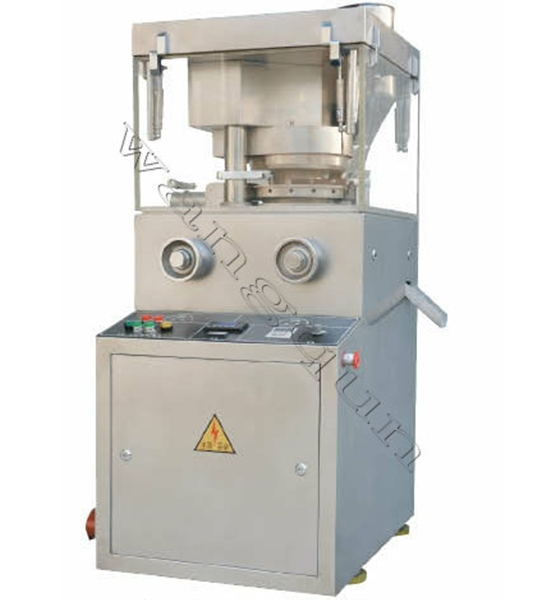
Disinfection tablet press Calibration for Uniform Tablet Weight: A Technical Guide
Industry Background and Market Demand
The pharmaceutical and chemical industries rely heavily on tablet presses to produce disinfection tablets with precise weight and composition. Uniform tablet weight is critical for ensuring consistent active ingredient delivery, regulatory compliance, and consumer safety. In sectors such as water treatment, healthcare, and food processing, disinfection tablets must meet stringent quality standards to guarantee efficacy.
Market demand for high-quality disinfection tablets has surged due to increased hygiene awareness post-pandemic. Manufacturers face pressure to optimize tablet press calibration, as even minor deviations in weight can lead to under- or over-dosing, compromising product performance and regulatory approvals.
Core Concepts: Tablet Press Calibration and Uniformity
Tablet press calibration ensures that each tablet meets predefined weight specifications by adjusting the machine’s fill depth, compression force, and ejection mechanisms. Key parameters include:
- Fill Depth Adjustment: Controls the volume of powder entering the die cavity.
- Compression Force: Determines tablet hardness and density.
- Ejection System: Ensures smooth tablet removal without damage.
Uniformity is assessed through weight variation tests (e.g., USP <905> or Ph. Eur. 2.9.5), where tablets must fall within a tight tolerance range (typically ±5%).
Product Structure and Performance Factors
Modern tablet presses for disinfection tablets feature:
- Die and Punch Systems: High-precision tooling made from hardened steel or carbide to withstand abrasive formulations.
- Feeding Mechanism: Gravimetric or forced feeders to ensure consistent powder flow.
- Control Systems: PLC-based automation with real-time monitoring for weight and compression adjustments.
Material selection is critical—stainless steel or corrosion-resistant alloys are preferred for disinfection tablet production due to exposure to aggressive chemical compounds like chlorine or bromine.
Key Factors Affecting Tablet Weight Uniformity
1. Powder Flow Properties
Poor flowability leads to inconsistent die filling. Granulation or excipient optimization may be required.
2. Tooling Wear
Worn dies or punches cause weight variations. Regular inspection and replacement are necessary.
3. Machine Vibration
Excessive vibration disrupts powder settling. Anti-vibration mounts and balanced rotary presses mitigate this issue.
4. Environmental Conditions
Humidity and temperature affect powder behavior. Controlled environments improve consistency.
Supplier Selection and Quality Assurance
When sourcing tablet presses or components, manufacturers should evaluate:
- Compliance with GMP/ISO Standards: Ensures regulatory adherence.
- Tooling Precision: Sub-micron tolerances for dies and punches.
- After-Sales Support: Availability of calibration services and spare parts.
Leading suppliers often provide validation protocols, including Installation Qualification (IQ), Operational Qualification (OQ), and Performance Qualification (PQ).
Common Industry Challenges
- Material Segregation: Uneven distribution of active ingredients in the powder blend.
- Sticking and Capping: Tablet surface defects due to improper compression settings.
- Regulatory Scrutiny: Increasingly strict guidelines on weight uniformity and dissolution rates.
Application Scenarios and Case Studies
1. Water Treatment Facilities
Chlorine tablets must dissolve at a controlled rate to maintain safe water disinfection levels. A calibrated press ensures each tablet delivers the correct dosage.
2. Healthcare Settings
Disinfectant tablets for surface cleaning require exact weight consistency to avoid under-dosing in high-risk environments.
3. Food Industry
Sanitizing tablets for equipment cleaning must meet food-grade standards, where weight deviations could lead to contamination risks.
Current Trends and Future Developments
1. AI-Assisted Calibration
Machine learning algorithms analyze real-time data to predict and correct weight variations.
2. Inline Weight Monitoring
Advanced sensors provide continuous feedback, reducing manual checks and downtime.
3. Sustainable Materials
Research into biodegradable disinfection agents may influence tablet formulation and press design.
FAQ Section
Q: How often should a tablet press be recalibrated?
A: Calibration frequency depends on usage, but a best practice is to verify settings every 8–12 hours or after significant batch changes.
Q: What causes tablet weight variations despite proper calibration?
A: Common culprits include powder segregation, inconsistent feeder performance, or worn tooling.
Q: Can manual presses achieve the same uniformity as rotary presses?
A: Rotary presses offer superior uniformity due to continuous operation and automated adjustments, whereas manual presses are prone to human error.
Conclusion
Precise tablet press calibration is non-negotiable for producing uniform disinfection tablets. By understanding the interplay between machine settings, material properties, and environmental factors, manufacturers can enhance product quality and compliance. As technology evolves, smarter calibration systems will further streamline production while maintaining rigorous standards.
Copyright © 2025 Changzhou Wangqun Pharmaceutical Machinery Co., Ltd. All Rights Reserved.
SitemapThis website uses cookies to ensure you get the best experience on our website.
 Español
 Pусский
 Français
 العربية



 Phone
Phone
Comment
(0)